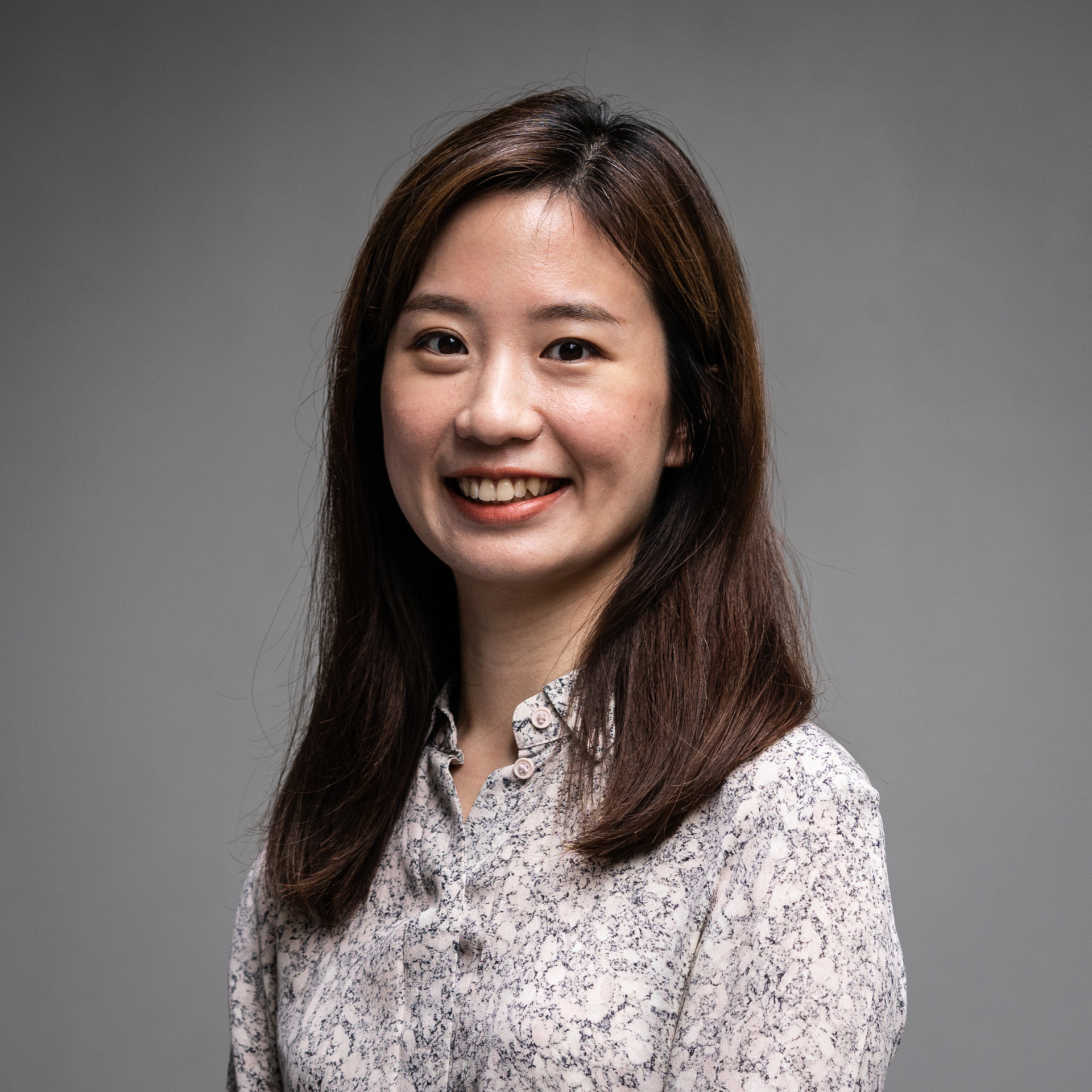
Design Research / Assistant Professor / Coordinator of Year-2 Design Studios
Education
M.Arch., Columbia University, USA
B.S. in Architecture, University of Michigan, USA
Experience
Project Lecturer, Design Center, National Cheng Kung University
Operations Director, YS SPACEDESIGN
Senior Development Operations Lead, WeWork
BIM Lead, WeWork
Architectural Designer, Brandon Haw Architecture
Expertise & Research Interests
Sabrina I-Hsuan Wang is an architectural educator and design researcher whose work examines the relationships among people, space, and institutions. Her research connects architectural education, design management, collaborative environments, professional formation, and urban transformation.
Drawing on her experience in architectural practice, international design operations, workplace development, and campus planning, she studies how organizational structures and spatial conditions jointly shape learning, work, and collective experience. Her developing People–Space–Institution framework investigates human agency, spatial environments, and institutional systems across multiple scales.
Her current research focuses on experiential architectural education, collaborative learning environments, the transition between academia and professional practice, campus–city relationships, inclusive spatial ecologies, and urban peripheries undergoing technological and socioeconomic transformation
In teaching, she encourages students to understand architecture not only as formal production, but as a medium for organizing relationships, environmental conditions, cultural meanings, and institutional change. She is particularly interested in how architectural education can preserve reflection, craftsmanship, judgment, and authorship amid technological acceleration and AI.
- Architectural education and experiential pedagogy
- Design management and institutional studies
- Learning environments and collaborative practices
- Professional education and architectural practice
- Campus–city relations and urban interfaces
- Inclusive living environments and urban peripheries
- Futures of work, learning, and architectural practice